 English
 Arabic
 Chinese (Simplified)
 Chinese (Traditional)
 Dutch
Dutch French
 German
 Greek
Greek Gujarati
 Hindi
Hindi Indonesian
 Italian
 Japanese
 Korean
 Macedonian
 Portuguese
 Punjabi
 Russian
 Sindhi
 Spanish
 Turkish
 Urdu
UrduA well-designed sun lounger can transform an ordinary outdoor area into a comfortable and inviting place to relax. Whether it is positioned beside a hotel pool, on a resort terrace, in a private garden, or at a beachfront property, the right lounger must offer more than visual appeal. It should also deliver lasting comfort, reliable outdoor performance, and easy maintenance.
For homeowners, choosing a sun lounger may come down to personal preference. Commercial buyers, however, must consider additional factors such as repeated use, weather exposure, maintenance costs, storage, replacement parts, and consistency across a large furniture collection.
This guide explains how to choose a sun lounger that combines comfort, durability, functionality, and style for both residential and commercial outdoor spaces.
What Is a Sun Lounger?
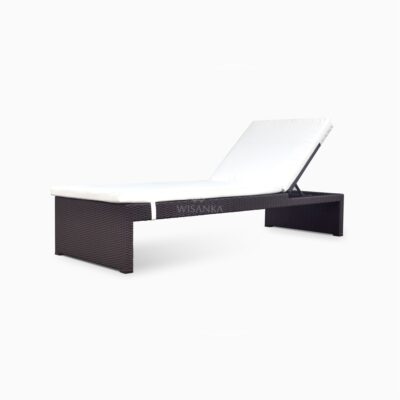
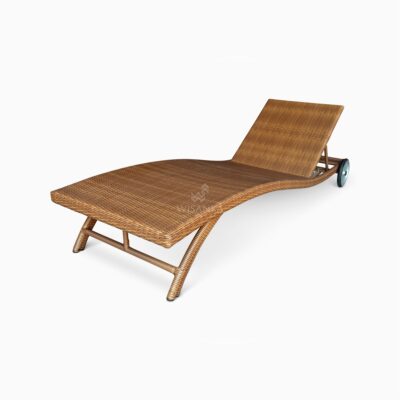
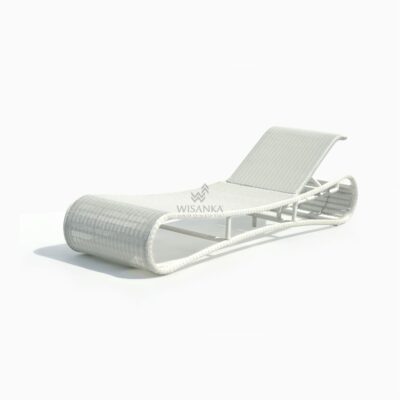
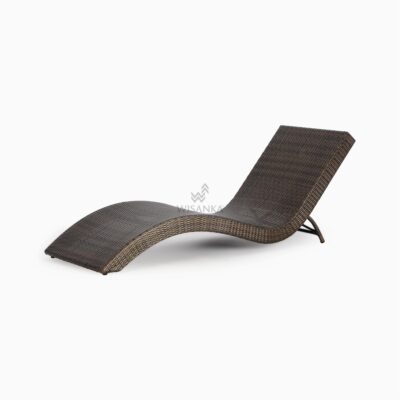
A sun lounger is an outdoor reclining chair designed for relaxing, sunbathing, reading, and resting beside a pool or in another open-air setting. Unlike an ordinary outdoor chair, a lounger usually features an elongated seat that supports both the upper and lower body.
Many models include an adjustable backrest, allowing users to move between upright, semi-reclined, and fully reclined positions. Some commercial sun loungers also include wheels, armrests, cushions, stacking frames, or matching side tables.
Sun loungers are commonly used in:
- Hotels and resorts
- Swimming pool areas
- Beach clubs
- Spas and wellness facilities
- Rooftop terraces
- Villas and private residences
- Gardens and patios
- Cruise ships and recreational facilities
The ideal model depends on where the furniture will be placed, how frequently it will be used, and the level of maintenance available at the property.
1. Choose the Right Material
Material selection has a direct impact on the appearance, durability, weight, maintenance requirements, and expected service life of a sun lounger.
Synthetic Rattan
Synthetic rattan is one of the most popular materials for outdoor loungers. It recreates the woven appearance of natural rattan while offering better resistance to outdoor conditions.
A properly constructed synthetic rattan sun lounger can provide:
- A warm and sophisticated woven appearance
- Better resistance to moisture and changing weather
- Comfortable surface flexibility
- A wide selection of colours and weaving patterns
- Relatively simple cleaning and maintenance
- Compatibility with contemporary and tropical environments
Synthetic rattan is particularly suitable for resorts, hotels, pool areas, terraces, and outdoor hospitality projects that want to create a relaxed but refined atmosphere.
Buyers should examine the density and consistency of the weaving. Loose, uneven, or excessively thin weaving may reduce durability and make the furniture appear less professional.
Aluminium
Aluminium is frequently used as the internal frame of outdoor rattan loungers. It is lightweight, practical to move, and naturally resistant to rust.
For commercial applications, inspect the frame construction rather than evaluating the visible weaving alone. Important details include frame thickness, joint quality, reinforcement points, and the finish applied to the metal.
A powder-coated aluminium frame provides additional surface protection and helps create a clean, consistent finish beneath the woven material.
Teak and Other Wood
Wooden sun loungers create a timeless appearance that works especially well in luxury resorts, tropical properties, gardens, and premium residential projects.
Teak is often selected for outdoor furniture because of its natural oils and outdoor performance. However, wooden loungers generally require more maintenance than aluminium-framed synthetic rattan furniture.
Commercial buyers should consider whether the property has the resources to clean, inspect, and refinish wooden furniture when necessary.
Other Metals
Steel and stainless-steel frames can also be used for sun loungers. These materials can produce a clean, modern appearance, but their outdoor suitability depends heavily on the grade of metal, protective finish, environment, and construction quality.
Properties located near the coast should pay particular attention to corrosion resistance because salt air can accelerate deterioration.
2. Evaluate Comfort and Ergonomics
A sun lounger may look attractive in a catalogue but still feel uncomfortable after extended use. Comfort should therefore be assessed through dimensions, proportions, adjustability, and body support.
An ergonomic lounger should provide adequate support for the back, neck, hips, and legs. The transition between the seat and backrest should feel natural, without creating uncomfortable pressure points.
Consider the following features:
- Multiple backrest positions
- Sufficient seat width
- Appropriate seat height
- Support for the lower legs
- Smooth reclining mechanisms
- Comfortable armrest positioning
- Stable support in every reclining position
For hotels and resorts, adjustable backrests are especially valuable because guests use loungers for different activities. An upright position may be suitable for reading or drinking, while a lower position is more comfortable for resting and sunbathing.
The adjustment mechanism should be simple, secure, and durable enough to withstand repeated daily use.
3. Select Outdoor-Appropriate Cushions
Cushions increase comfort and provide an opportunity to introduce colour into an outdoor furniture scheme. However, they must be designed for outdoor conditions.
Look for cushions with:
- Quick-drying or suitable outdoor foam
- Water-repellent fabric
- UV-resistant fabric where appropriate
- Removable covers
- Durable zippers
- Secure cushion ties or fasteners
- Easy-to-clean surfaces
Water-repellent does not necessarily mean completely waterproof. Cushion performance will still depend on fabric construction, seams, filling, rainfall intensity, and how the cushions are stored.
Hotels and resorts should establish a practical cushion-management system. Even high-quality outdoor cushions can last longer when they are stored in a dry, ventilated area during severe weather or long periods of non-use.
Replacement covers are also worth considering when purchasing commercial quantities. Being able to replace a damaged cover is generally more economical than replacing the complete cushion.
4. Consider Weather and UV Exposure
Outdoor furniture is exposed to sunlight, humidity, rain, temperature changes, dust, and—in coastal environments—salt air. A material that performs well in a covered terrace may not provide the same results beside an uncovered pool.
Before selecting a lounger, evaluate:
- The amount of direct sunlight
- Expected rainfall
- Humidity levels
- Distance from the sea
- Chlorinated pool water exposure
- Availability of covered storage
- Seasonal temperature changes
Dark surfaces can become hot under intense sunlight, while low-quality colours may fade after prolonged UV exposure. Poolside furniture must also tolerate regular contact with wet swimwear, sunscreen, and cleaning products.
No outdoor furniture is entirely maintenance-free. Choosing the appropriate material reduces maintenance requirements, but regular cleaning and inspection remain necessary.
5. Check Stability and Structural Quality
A commercial sun lounger will typically experience more frequent and less predictable use than residential furniture. Structural integrity is therefore a critical purchasing consideration.
Inspect or request information about:
- Frame material and construction
- Welding consistency
- Reinforced stress points
- Backrest support
- Leg stability
- Adjustable hardware
- Maximum recommended load
- Weaving tension
- Protective feet or glides
The lounger should remain stable when users sit near the front, change reclining positions, or stand up. Moving components should operate smoothly without feeling loose or unstable.
For large projects, buyers can request a sample before confirming the complete order. A physical sample allows the purchasing and design teams to evaluate comfort, dimensions, colour, weaving, and construction.
6. Match the Lounger to the Available Space
Sun loungers require more floor space than standard chairs. Their dimensions should be evaluated in both upright and fully reclined positions.
Allow sufficient room for:
- Guests to walk safely between loungers
- Staff to clean the surrounding area
- Backrests to recline without obstruction
- Side tables or umbrellas
- Wheelchair and service access where required
- Proper circulation around the pool
Placing too many loungers in a limited area can reduce comfort and make even premium furniture look poorly planned. An effective layout balances seating capacity with privacy, safety, and visual openness.
Before placing a bulk order, prepare a scaled furniture plan using the exact product dimensions.
7. Choose a Style That Supports the Property Concept
Sun loungers occupy a prominent position in outdoor areas, so their design should support the overall identity of the property.
For tropical or natural environments, woven rattan-inspired textures and neutral colours create a warm, relaxed atmosphere. Contemporary properties may prefer clean lines, slimmer frames, and monochromatic finishes. Luxury resorts can combine sculptural silhouettes with generously upholstered cushions.
Consider how the lounger coordinates with:
- Outdoor dining furniture
- Lounge seating
- Side tables
- Umbrellas and cabanas
- Flooring materials
- Landscaping
- Architectural colours
- Other poolside accessories
Consistency does not require every item to be identical. However, the collection should share compatible colours, proportions, materials, or design details.
8. Look for Practical Commercial Features
A visually attractive lounger may still be unsuitable for a hospitality project if it is difficult to move, clean, stack, or repair.
Useful commercial features include:
- Wheels for easier repositioning
- Stackable or nesting construction
- Replaceable cushions and covers
- Removable components
- Washable surfaces
- Protective feet
- Easy-to-operate backrests
- Availability of matching furniture
- Standardised materials and finishes
These details can reduce labour requirements and long-term operating costs. Before purchasing, discuss how the furniture will be cleaned, moved, stored, and maintained by the property team.
9. Compare Value, Not Only Purchase Price
The lowest-priced sun lounger is not necessarily the most economical option. Commercial buyers should evaluate the total value over the furniture’s expected service life.
A better comparison includes:
- Construction quality
- Expected durability
- Maintenance requirements
- Replacement-part availability
- Packaging quality
- Shipping efficiency
- Product consistency
- Customisation options
- Manufacturer experience
- After-sales communication
A lounger that requires early replacement may ultimately cost more than a better-constructed model with a higher initial purchase price.
10. Work With an Experienced Sun Lounger Manufacturer
Working directly with an experienced manufacturer can provide greater flexibility for wholesale, retail, hospitality, and outdoor development projects.
Depending on order requirements, manufacturers may offer customisation of:
- Product dimensions
- Frame finishes
- Rattan colours
- Weaving patterns
- Cushion fabrics
- Foam specifications
- Packaging
- Labels and branding
- Coordinating outdoor collections
Cirebon Rattan manufactures natural and synthetic rattan furniture for international buyers. Established in 1993, the company supplies wholesalers, retailers, and project buyers in more than 20 countries and offers OEM and ODM development for customised furniture collections.
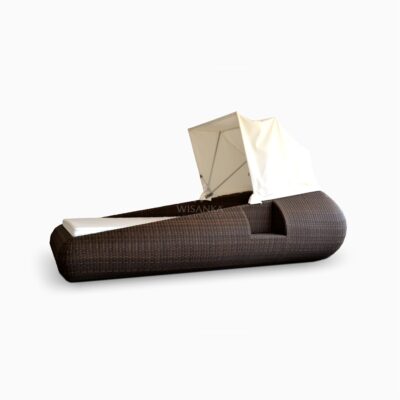
Buyers can explore the outdoor lounger collection or review models such as the Hurley Rattan Outdoor Sun Lounger when planning a commercial outdoor furniture range.
Sun Lounger Buying Checklist
Before confirming an order, verify the following:
- Is the material suitable for the intended environment?
- Is the frame stable and properly reinforced?
- Does the lounger support multiple reclining positions?
- Are the dimensions appropriate for the available space?
- Is the cushion designed for outdoor use?
- Can the furniture be cleaned and maintained easily?
- Is it practical for staff to move or store?
- Does the design coordinate with the property concept?
- Are replacement components available?
- Can the manufacturer maintain consistent quality across the order?
Frequently Asked Questions
What is the best material for an outdoor sun lounger?
The best material depends on the location, design concept, expected usage, and available maintenance. Synthetic rattan with an aluminium frame is a practical choice for many hotels, resorts, and pool areas because it combines a woven appearance with relatively easy maintenance.
Are rattan sun loungers suitable for poolside use?
Natural rattan is generally better suited to indoor or well-protected areas. For exposed poolside environments, synthetic rattan is usually more appropriate because it offers better resistance to moisture and changing outdoor conditions.
What features should a commercial sun lounger have?
A commercial lounger should have a stable frame, durable outdoor materials, a secure adjustable backrest, easy-to-clean surfaces, and dimensions suitable for different users. Wheels, stackability, and replaceable cushions can provide additional operational benefits.
How much space should be left between sun loungers?
The required distance depends on local safety standards, accessibility requirements, circulation patterns, and the property layout. There should be enough space for guests and staff to move comfortably while allowing the backrests to operate fully.
Can sun loungers be customised for hotel or resort projects?
Yes. Depending on the manufacturer and order quantity, buyers may be able to customise dimensions, frame finishes, weaving colours, cushion fabrics, packaging, and branding.
Find the Right Sun Lounger for Your Project
Choosing the right sun lounger requires a balance between comfort, outdoor durability, visual appeal, maintenance, and long-term value. These considerations become even more important when furnishing hotels, resorts, beach clubs, pool areas, and other commercial environments.
Cirebon Rattan offers outdoor loungers and coordinated furniture collections for wholesale and project buyers. Contact our team to discuss product specifications, custom designs, minimum order requirements, and furniture solutions for your target market.